 Get a quote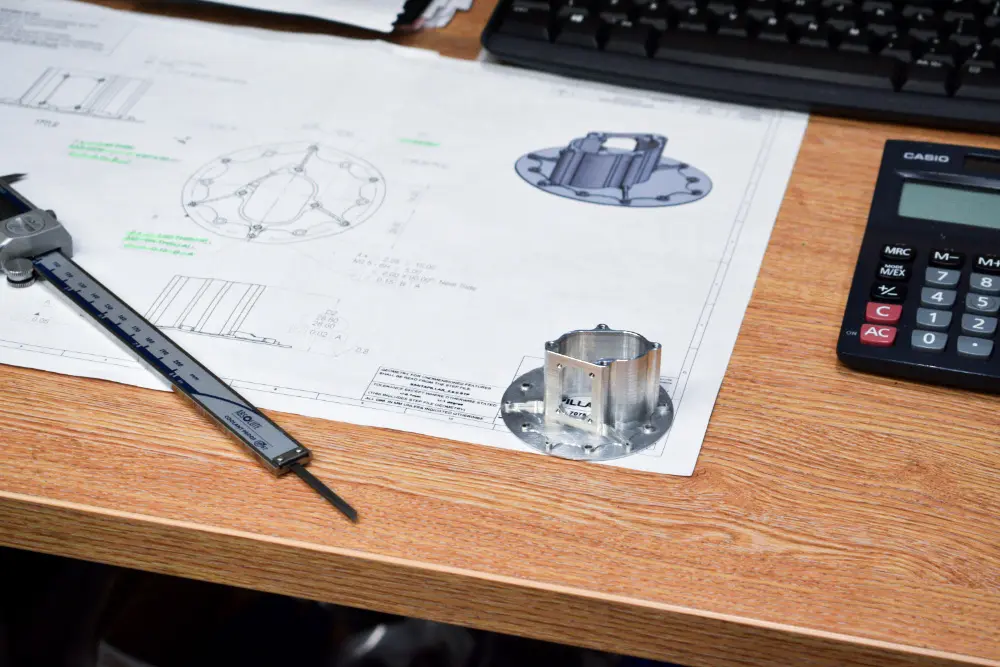
Tolerancing errors are one of the most common reasons for quality issues in manufacturing. In CNC machining, even small tolerance mistakes can lead to part failures, rework, or costly delays. If you work with CNC-machined components, understanding how different types of tolerance work could save you both time and money.
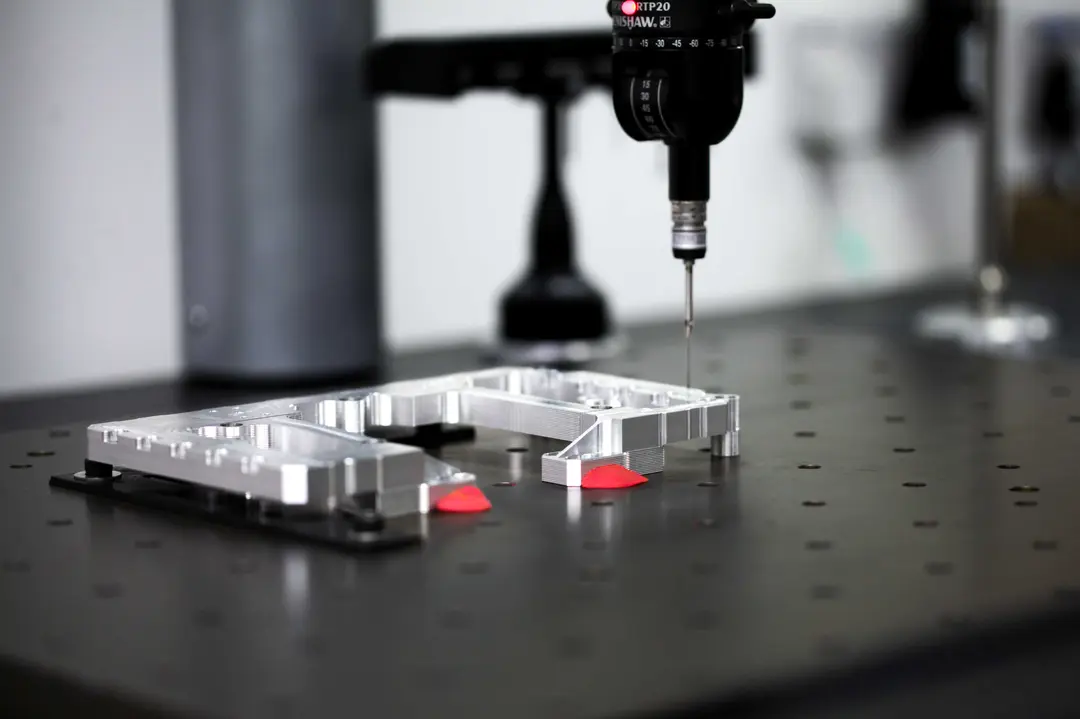
Quality issues in manufacturing often come down to one thing: precision. When you're producing high-spec components for aerospace, medical, or defence industries, even the smallest deviation can create major problems. That's why more manufacturers are turning to Coordinate Measuring Machines (CMMs) to keep their quality consistent and their processes reliable.

We carefully package your precision CNC components to your specifications. Delivery to the UK only.
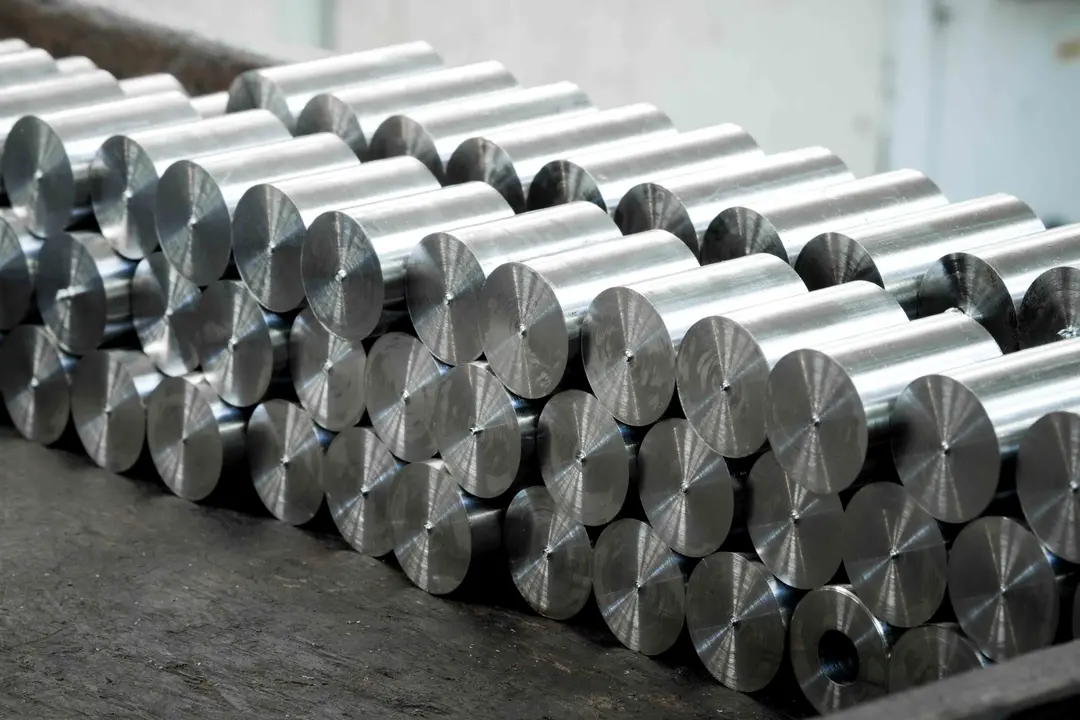
Material selection plays a critical role in the success of any machining project. Choosing between hard and soft metal machining can significantly impact your production time, overall cost, and the quality of your final part. Each approach has its own strengths, limitations, and ideal use cases.
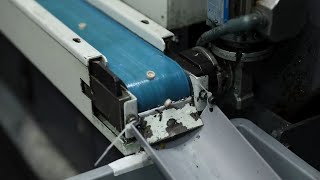
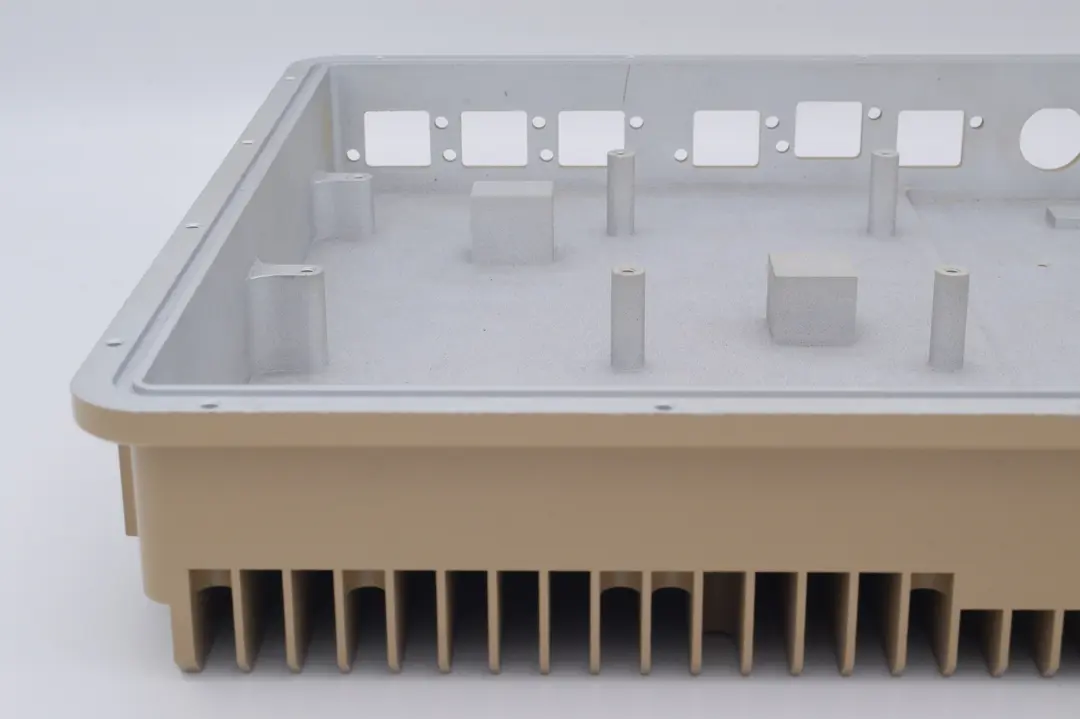
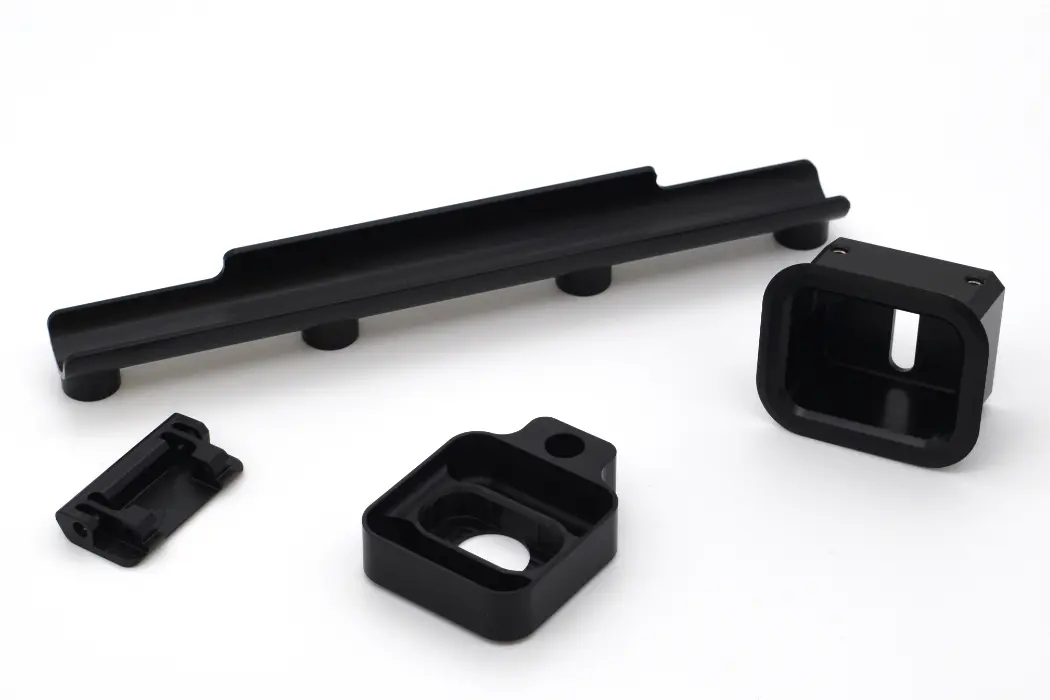
See how we created this small-scale component for one of our customers.
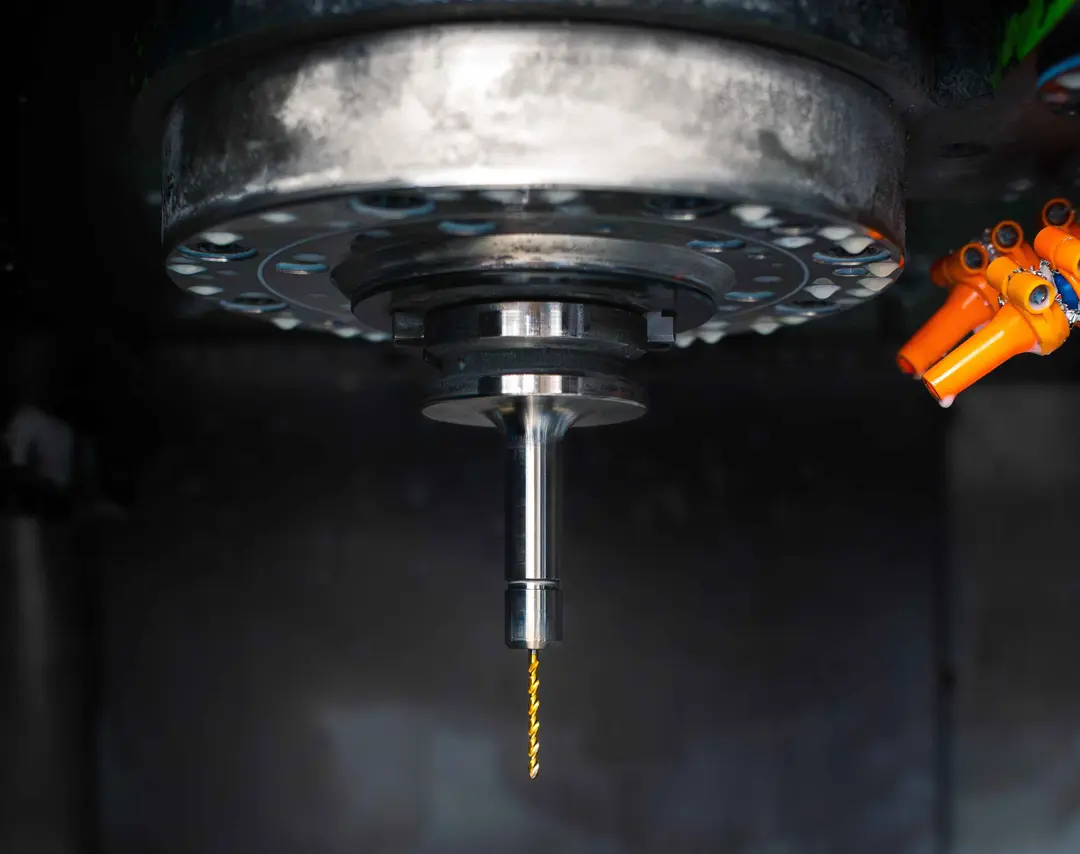
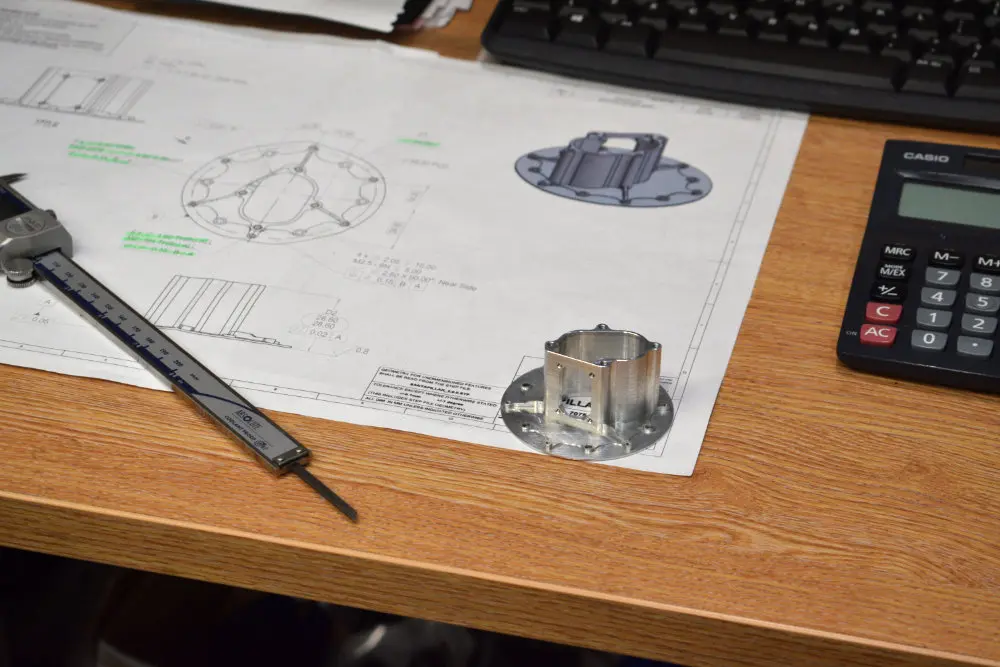
Geometric dimensioning and tolerancing (GD&T) helps eliminate confusion by providing a shared engineering language. It clearly defines how parts should look, fit and function across every stage of production. If you're involved in designing, machining or inspecting parts, understanding GD&T is crucial.
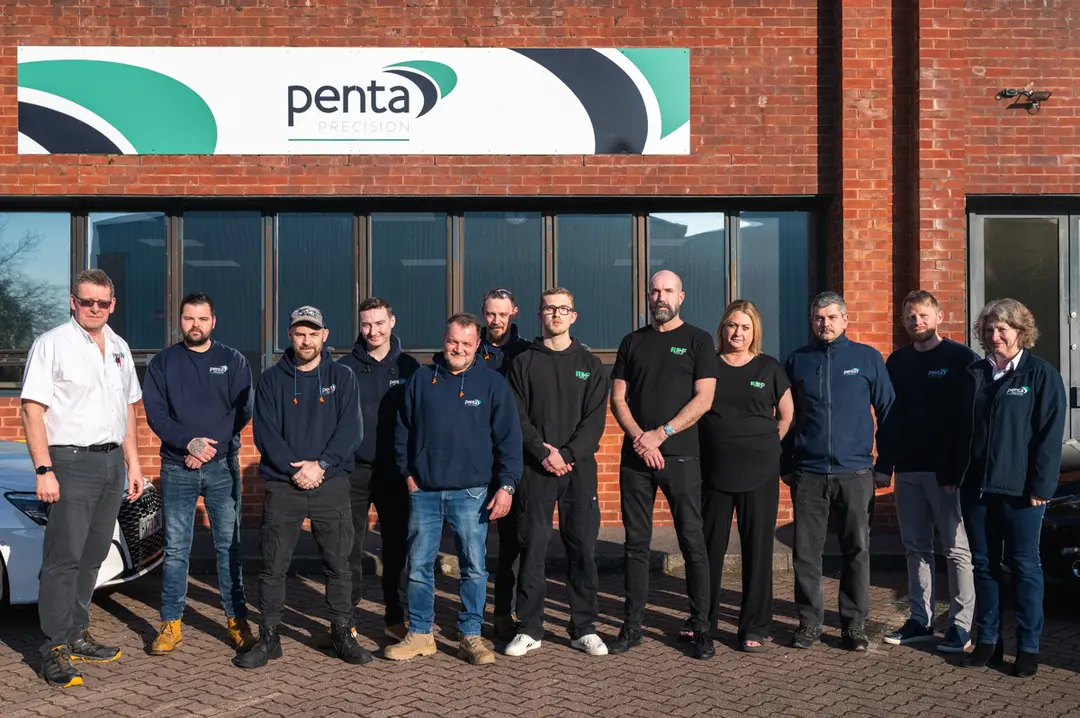
Penta Precision is pleased to announce the acquisition of RDSW Limited Trading as RDF Precision. This partnership strengthens Penta Precision's CNC turning capabilities and marks an exciting new chapter for both companies.
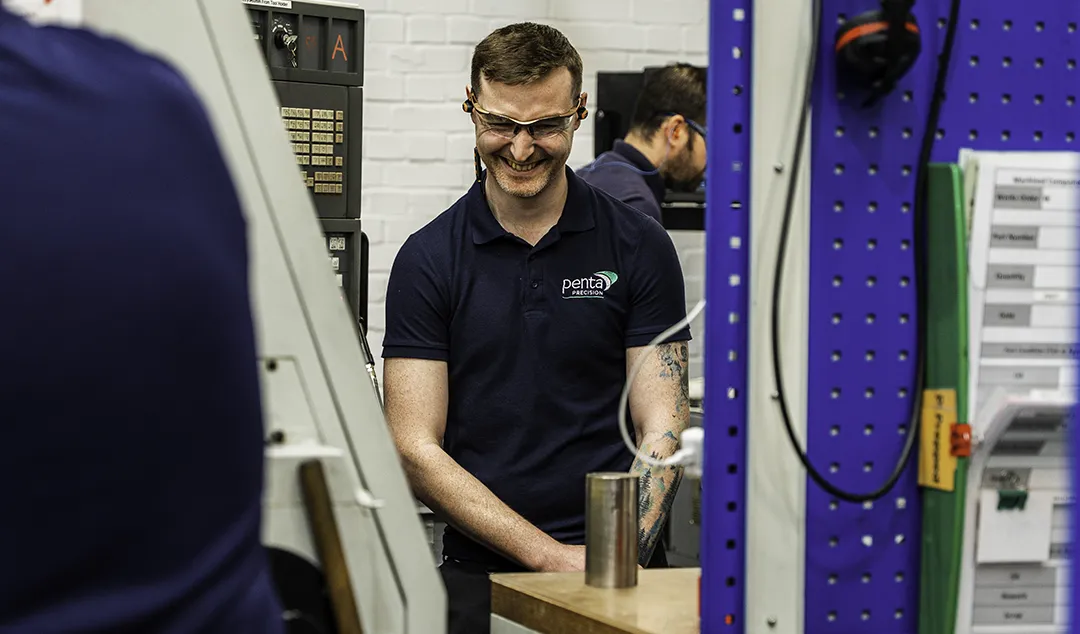
We firmly believe in creating a positive company culture so our employees can do their best work, every day. Check out this compilation of the team at work.
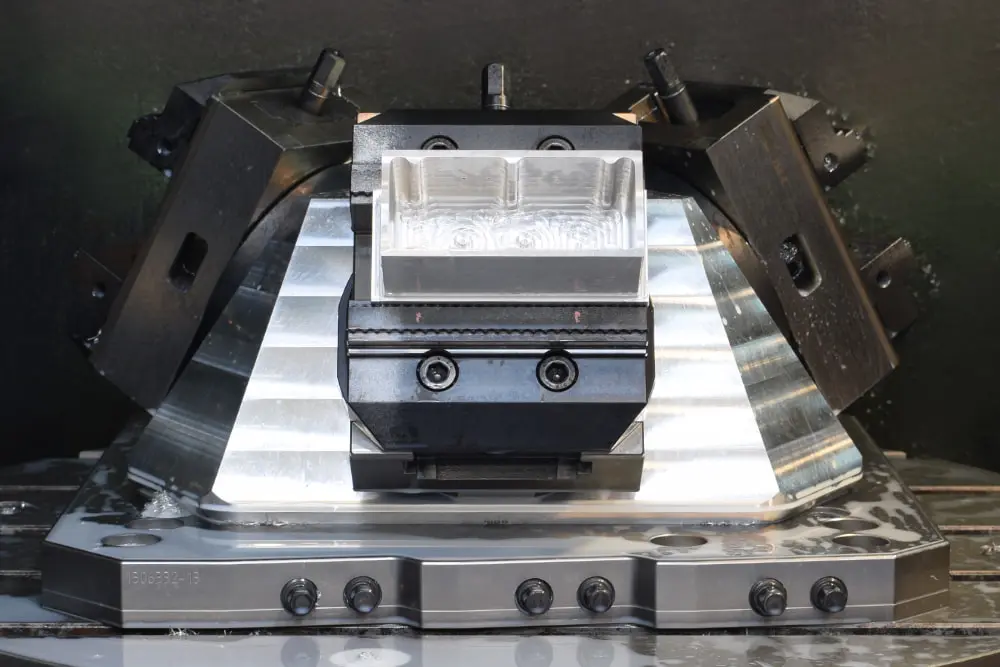
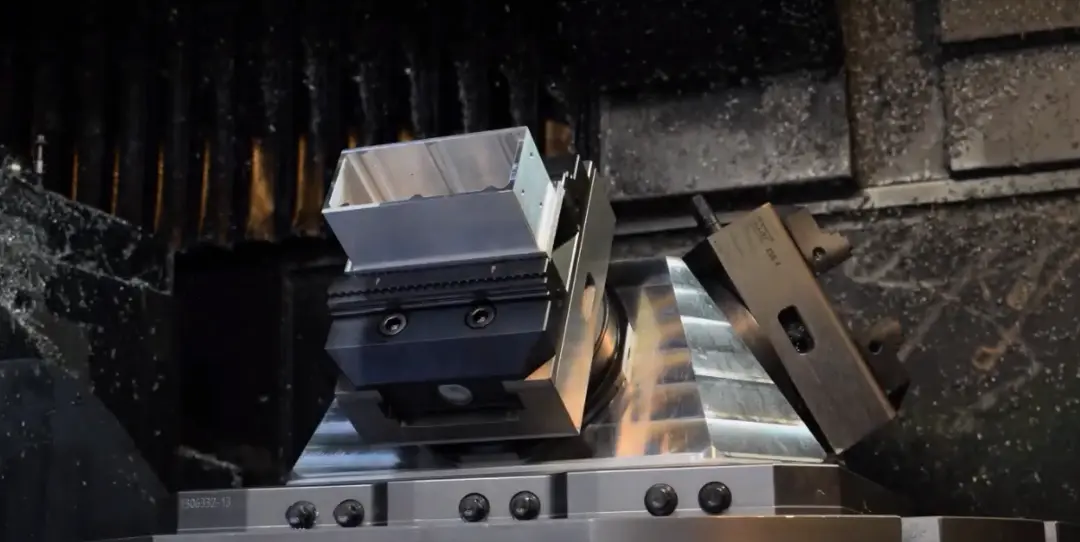
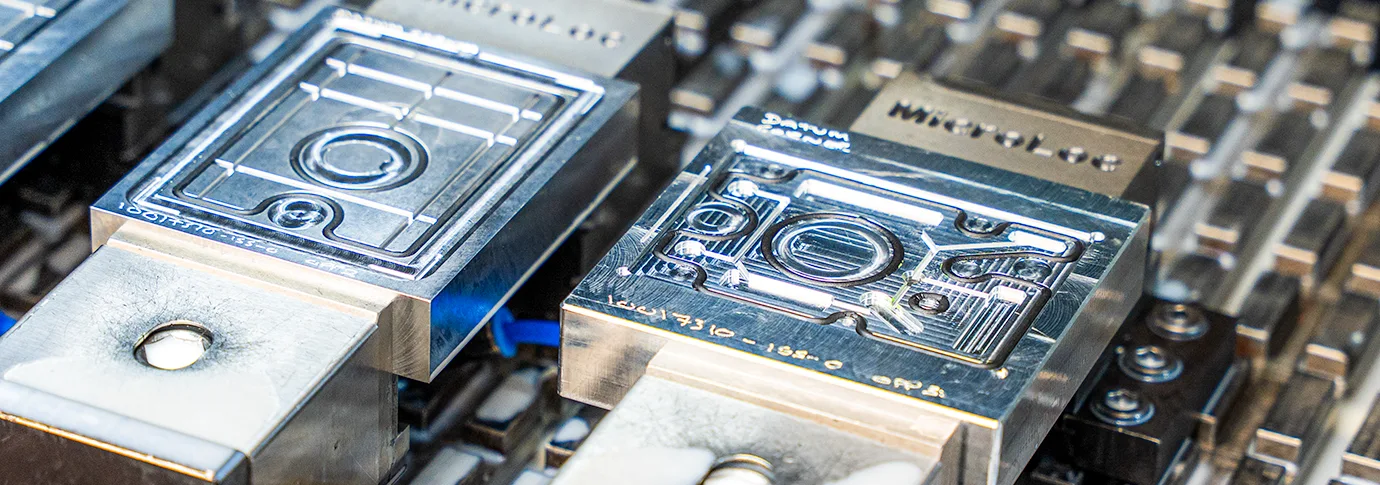
Automation and lean manufacturing don't have to be opposing forces—when combined through palletisation, they unlock new levels of CNC machining efficiency, minimising downtime and driving precision without compromise.