
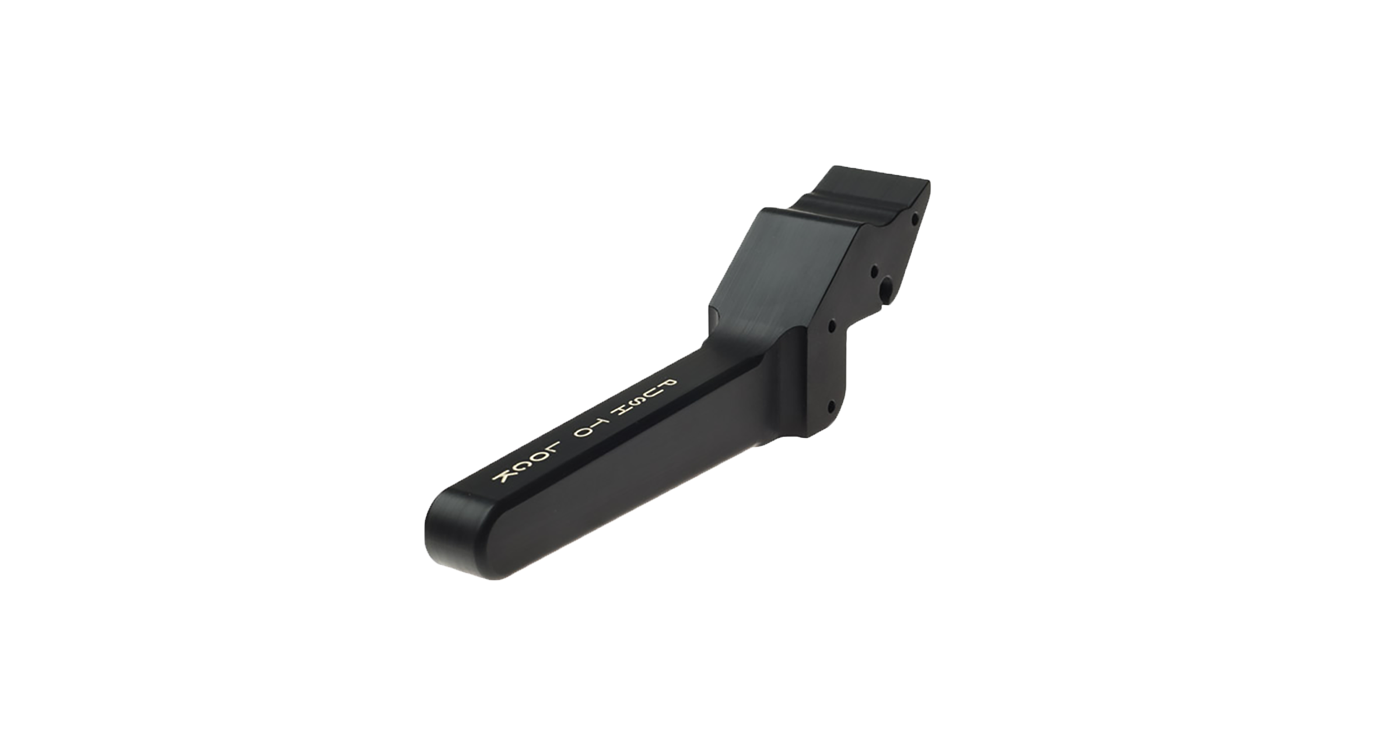

A UK motorsport manufacturer turned to Penta Precision when project deadlines tightened and supplier reliability was critical. Our aluminium and plastic machining expertise ensured parts were delivered to exact specification—in just 5 days.
Background
On 3rd January, we received an urgent enquiry from a motorsport customer for two-off quantities of three different parts. The initial requirement allowed for a 20-working-day turnaround.
The Challenge
Just days later, the project restraints changed. The customer now needed all parts in 7 days, leaving no margin for error. Previous suppliers had already let them down with late deliveries and poor quality, so confidence and reliability were essential.
Our Response
The Penta Solution
Production began immediately, and all components were completed and delivered within just 5 days—faster than the revised deadline. The customer was delighted with both the speed and the quality of the parts, and has since continued to place further orders with Penta.
See our Aluminium Machining and Plastic Machining pages for more information on the services we offer.