 Get a quote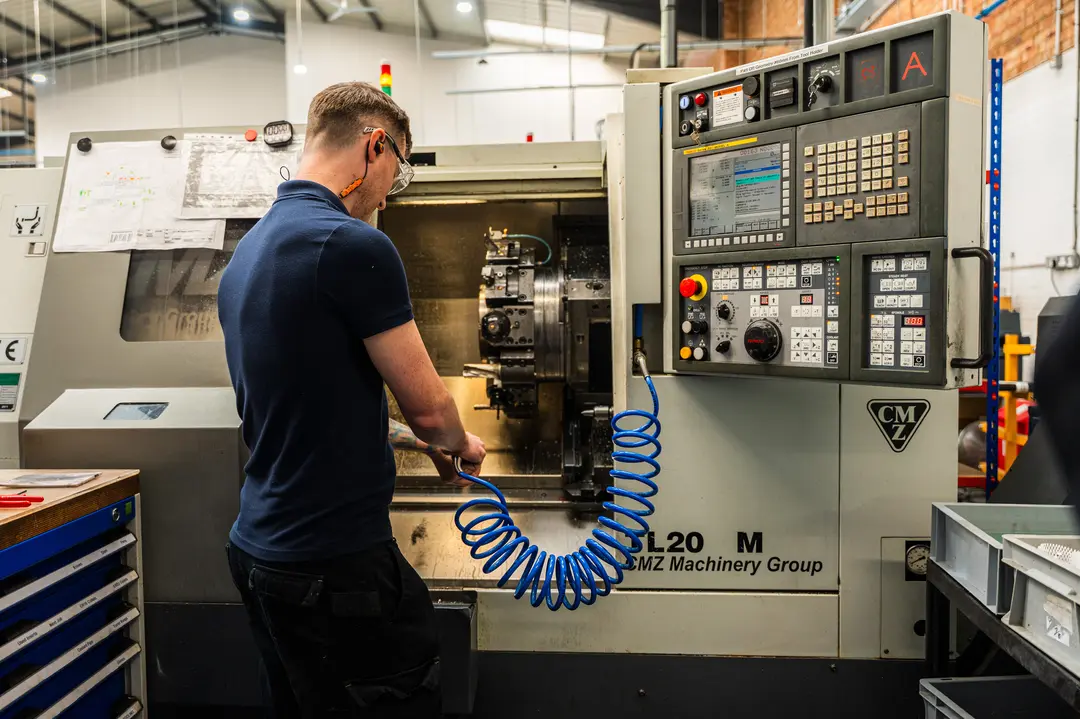
A practical guide to CNC turning for engineers and buyers, covering turning operations, materials, tolerances, costs, limitations and supplier selection.
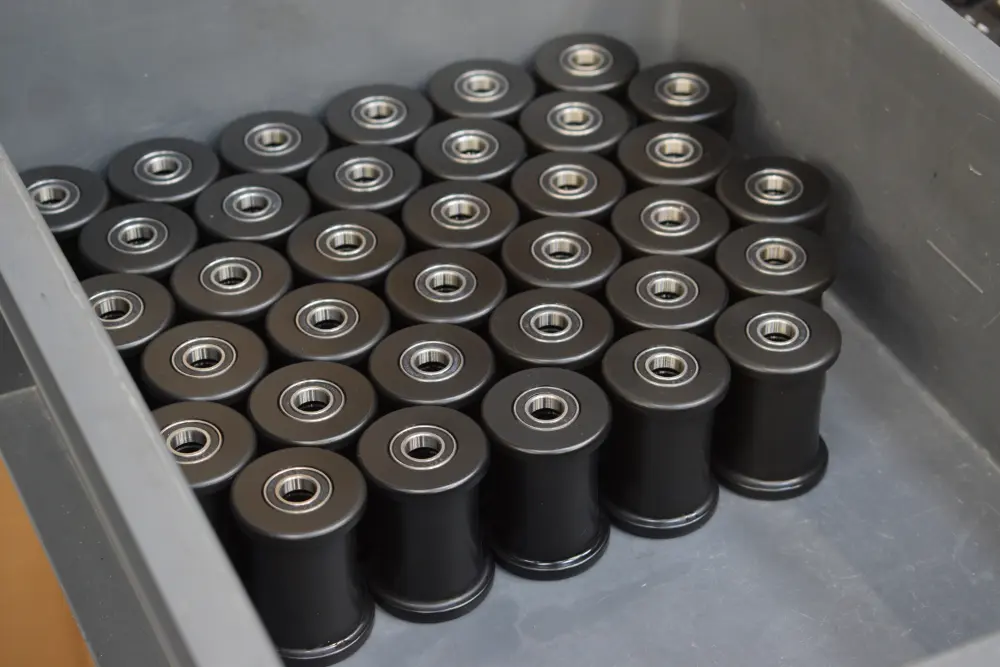
Choosing the right metal for CNC machining isn't just a design decision; it has a direct impact on performance, reliability, and cost. When a part fails or wears out too quickly, the root cause is often the material. That's why material testing is such a critical step in the process. We'll explore what to consider when selecting metals for CNC machining, and how testing helps verify that choice.

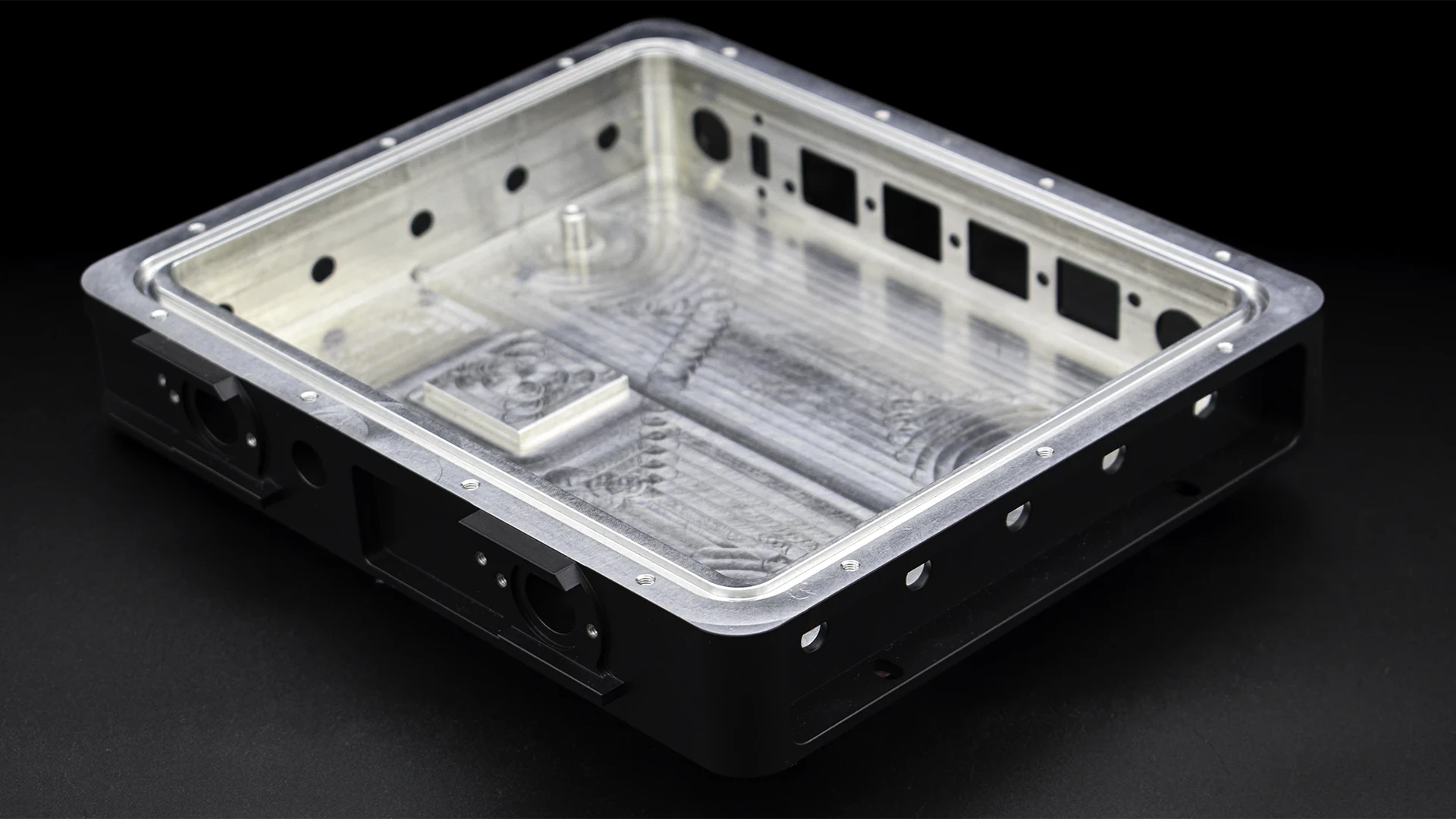
CNC milling is a subtractive manufacturing process in which material is removed from a billet of raw material to create a metal component. It's an important part of the modern manufacturing process and is typically used during machining.
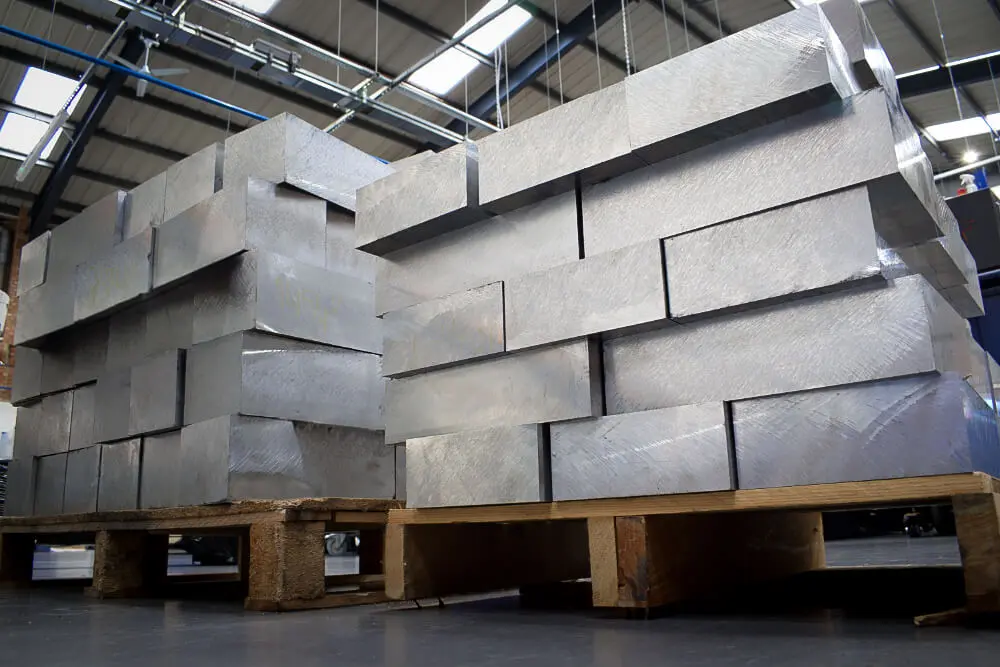
Choosing the wrong material can lead to costly failures, production delays, and unreliable parts. Hardness testing helps you avoid these issues by showing how materials respond to pressure, wear, and force. It provides the data you need to make confident and cost-effective decisions. This guide covers the most widely used hardness testing methods, including Rockwell, Brinell, Vickers, Knoop, and Shore.
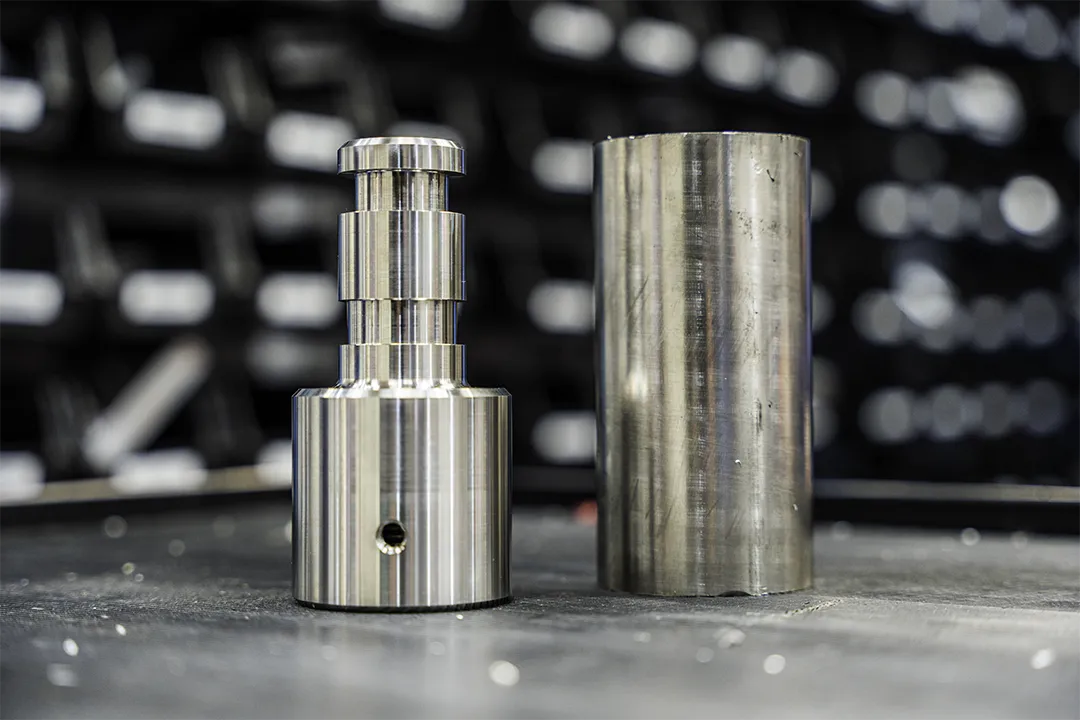
Watch a billet of aluminium go through the CNC turning process to become a complete precision component.
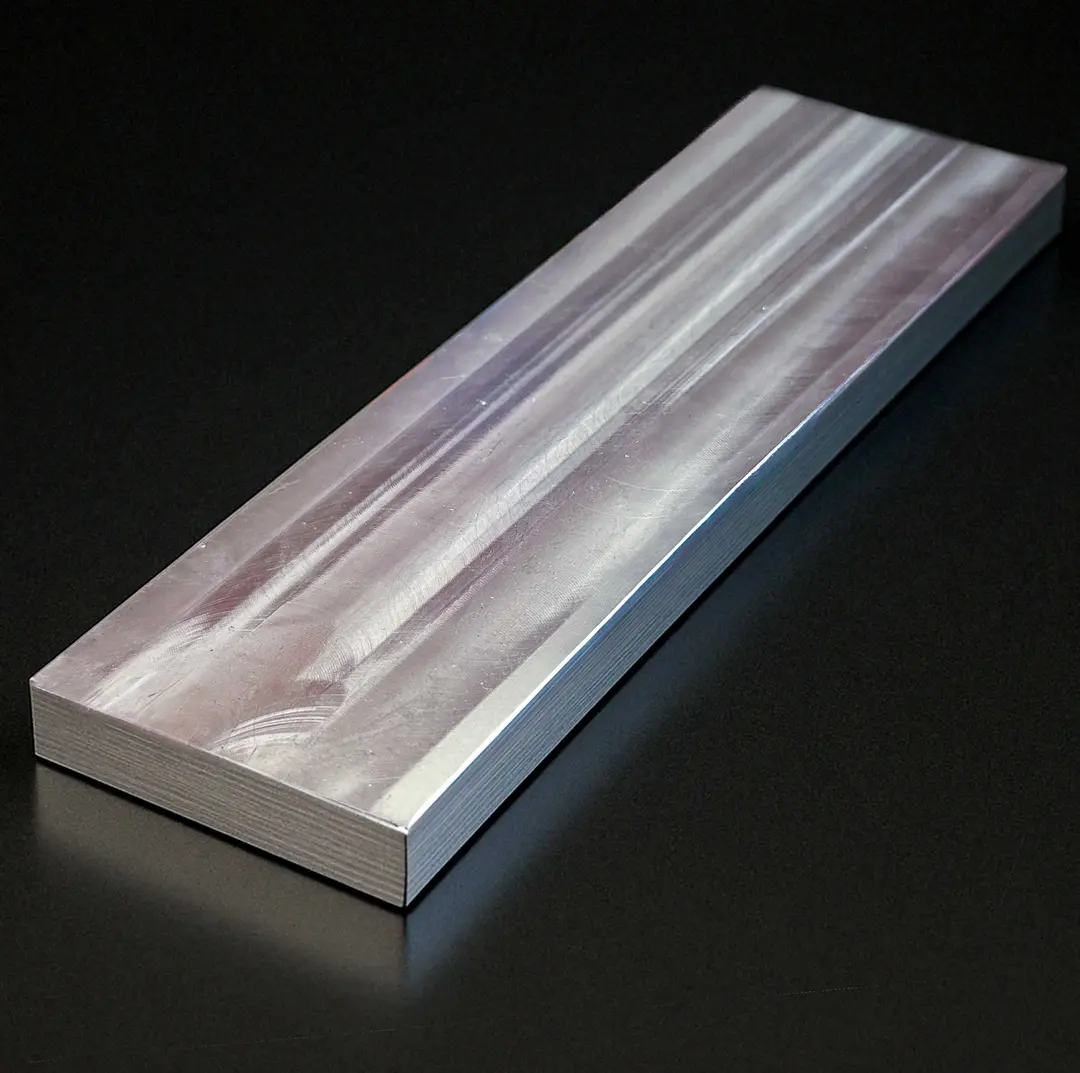
When your components are exposed to moisture, chemicals, or saltwater, choosing corrosion-resistant materials is key to ensuring long-term reliability. Selecting the right corrosion-resistant metal helps protect both performance and your bottom line. This guide explores the best corrosion-resistant materials for CNC machining in harsh environments. You'll learn which corrosion-resistant metals offer the most durability, and when each is the most suitable.
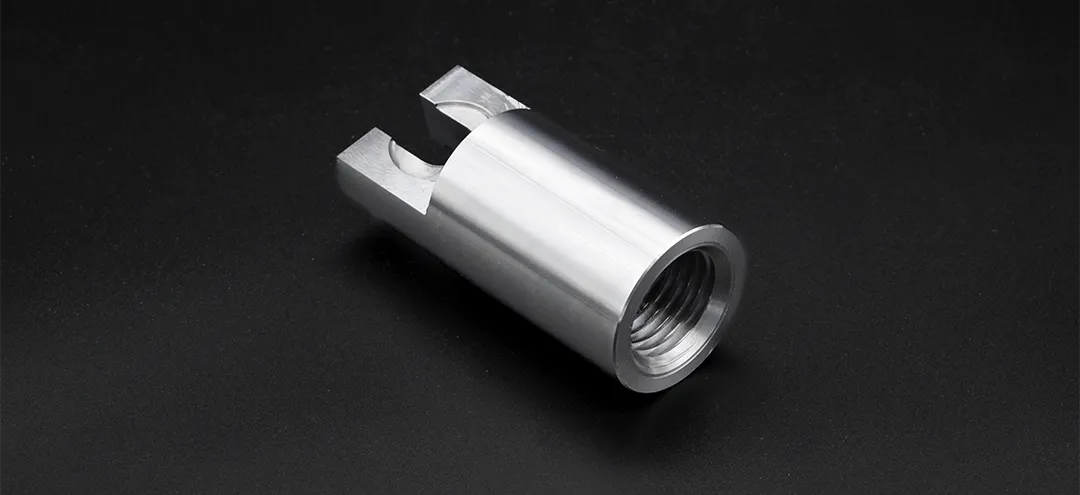
Threaded holes are a small but essential detail in CNC part design. If they're not specified correctly, they can lead to fit issues, tool breakage, or even part failure during assembly. You'll learn how each threading method works, when to use them, and how to avoid common pitfalls. We'll also touch on materials, tooling limitations, and how to clearly communicate your thread specs. Whether you're prototyping or placing a production order, this guide helps you get threads right the first time.
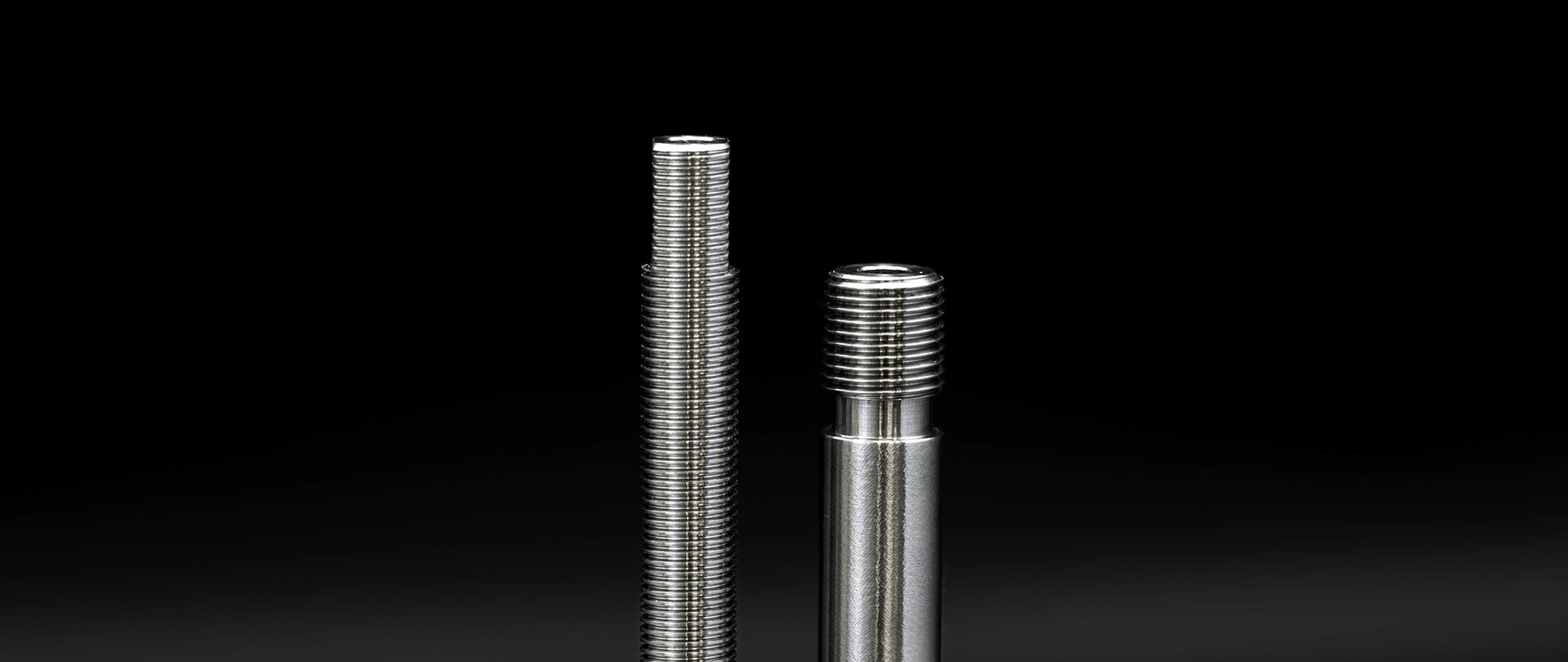
Thread pitch might seem like a small detail, but getting it wrong can cause serious issues, misaligned parts, poor fits, or even mechanical failure. If you're designing or sourcing precision-machined components, knowing how pitch works is essential for ensuring proper fit and function. This guide is here to walk you through everything you need to know.
See how we take a block of engineering plastic and turn it into a component for a customer.
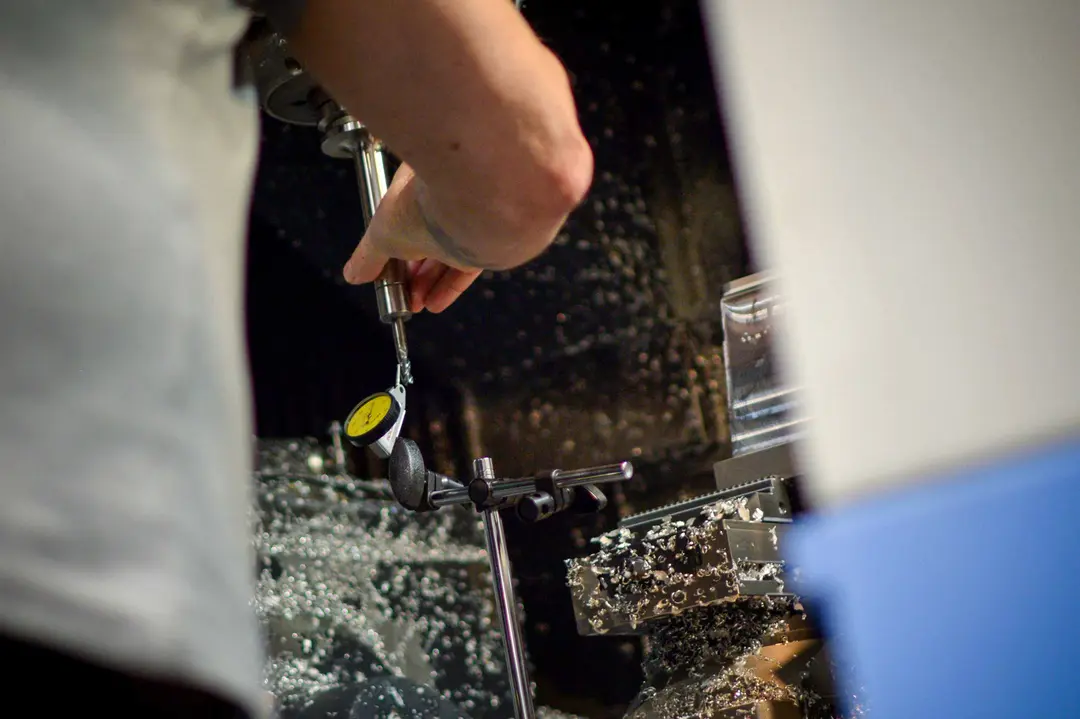
Additive and subtractive manufacturing are two of the most important methods used to create parts today. As technology advances, more businesses are comparing these approaches to find the best fit for their projects. The choice you make can influence your lead times, costs, and design flexibility. In this guide, you'll learn how these manufacturing methods differ and when to use each one.
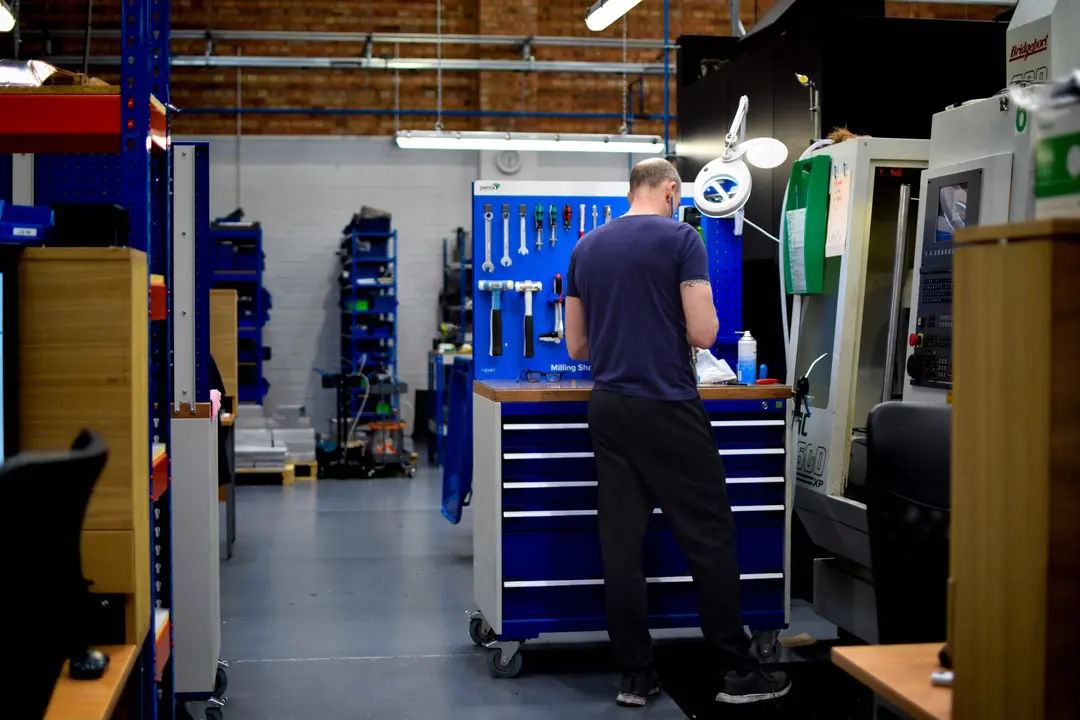
Just-in-time manufacturing (JIT) has reshaped how you manage production and inventory in today's fast-moving industries. By focusing only on producing what is needed, when it's needed, you avoid overproduction and save valuable resources. This lean, agile approach helps improve efficiency across your entire operation.
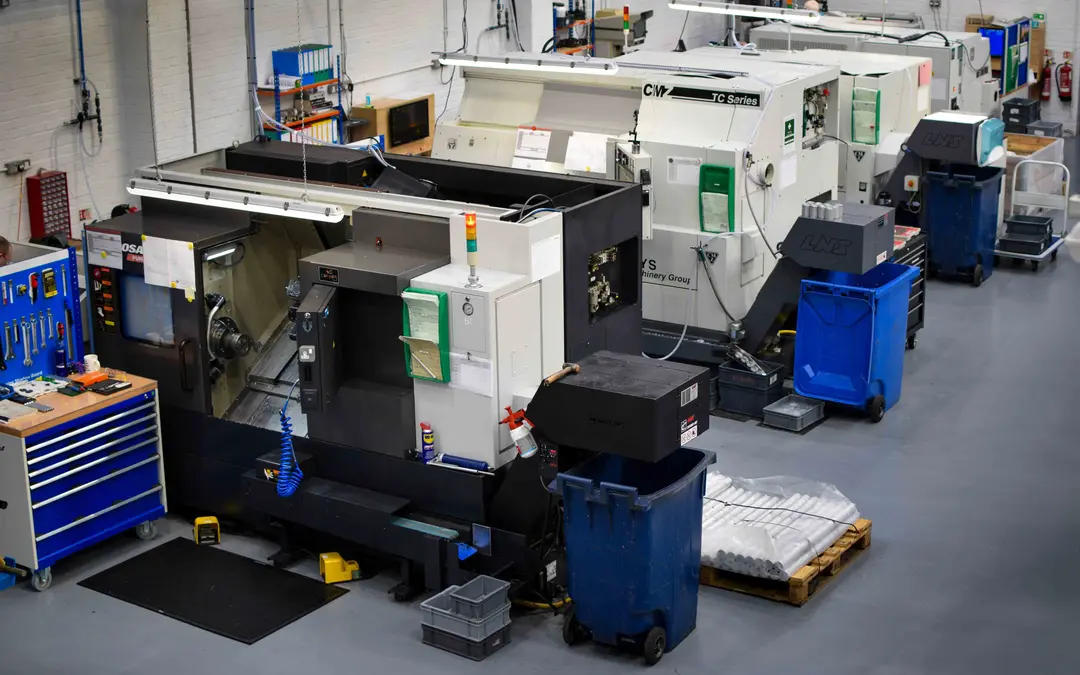
Environmental responsibility is becoming a key consideration in modern manufacturing. Green machining offers a smarter, more sustainable way to produce high-precision components without compromising on quality or performance. As industries adapt to changing expectations, sustainable machining is becoming essential for staying competitive and future-ready.