
 Get a quote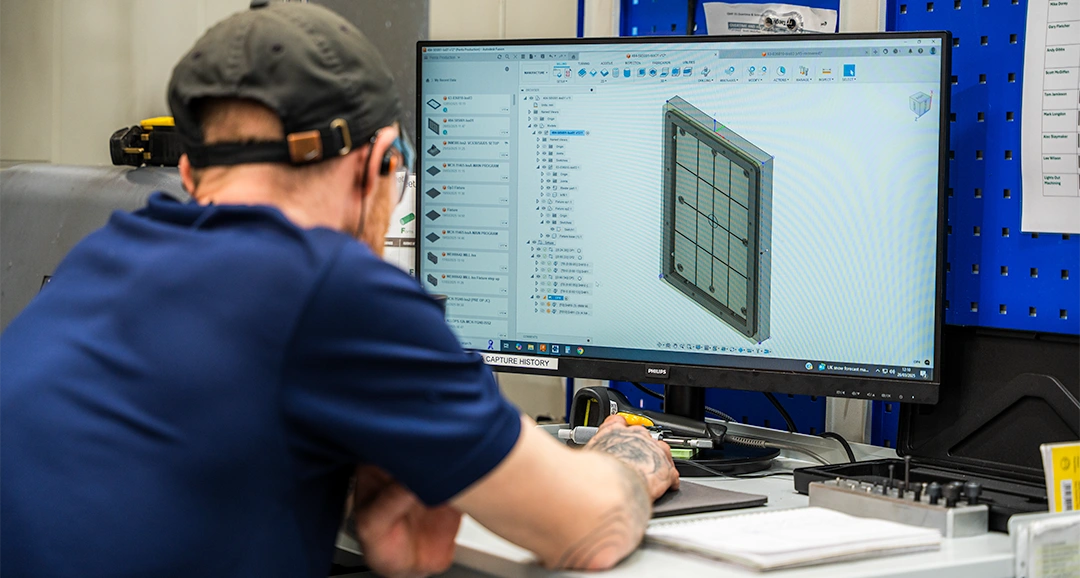
This guide will help you get the most out of CAD machining, making your CNC projects smoother and more successful.
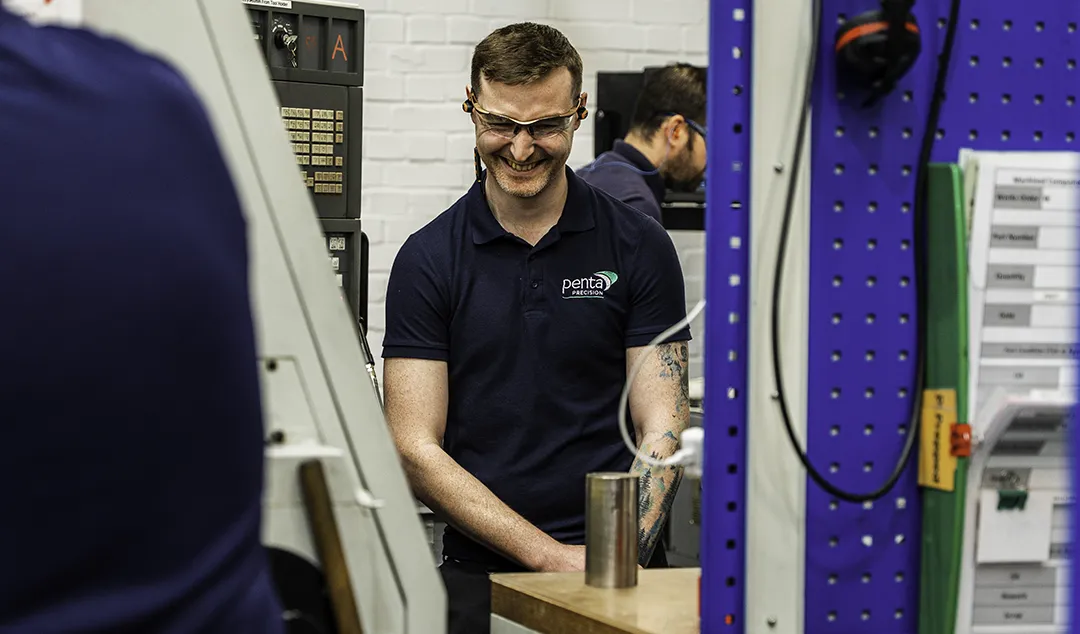
We firmly believe in creating a positive company culture so our employees can do their best work, every day. Check out this compilation of the team at work.
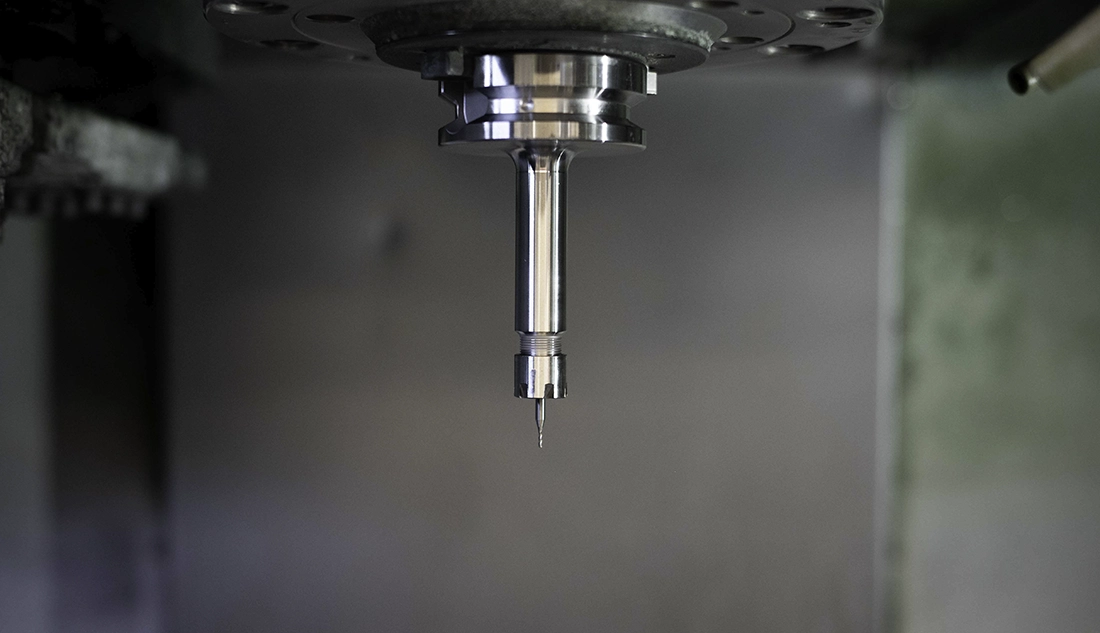
If you're unhappy with your CNC machining supplier(s) then you don't need anyone to tell you it's time to look at other options. But if the jury is still out, this blog post (and free guide) will help you to review your options and decide on the best course of action. Here are the four most common reasons that procurement professionals – either buyers or specifiers – contact us because they're unhappy with their existing machining suppliers…