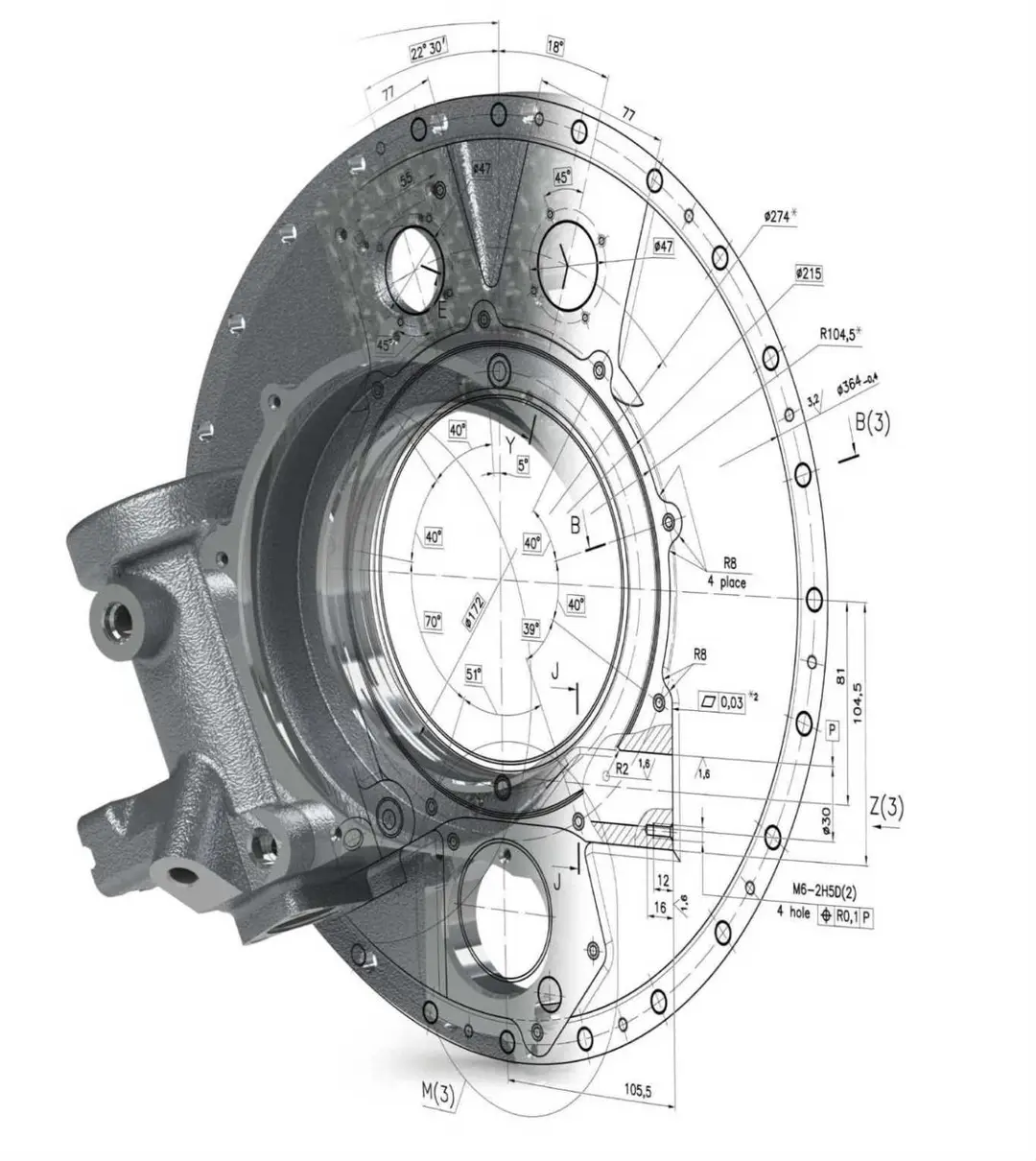
In the world of CNC machining, precision is paramount. One key aspect of achieving precision is specifying tolerances. Tolerances define the allowable variation in dimensions for a given part. In this blog post, we will explore what tolerances are, why they matter in CNC machining and how to effectively specify them for optimal results.

Just-in-time manufacturing (JIT) has reshaped how you manage production and inventory in today's fast-moving industries. By focusing only on producing what is needed, when it's needed, you avoid overproduction and save valuable resources. This lean, agile approach helps improve efficiency across your entire operation.

Tolerancing errors are one of the most common reasons for quality issues in manufacturing. In CNC machining, even small tolerance mistakes can lead to part failures, rework, or costly delays. If you work with CNC-machined components, understanding how different types of tolerance work could save you both time and money.